Understanding CIKA4D and Its Role in Indoor Agriculture
As the demand for sustainable food production continues to rise, the need for efficient and innovative agricultural solutions has never been greater. CIKA4D offers a comprehensive approach to indoor agriculture, focusing on modern design practices that enhance productivity and efficiency. By leveraging advanced technologies, CIKA4D is set to revolutionize how we grow food in controlled environments. For those curious about its practical applications and service offerings, cika4d provides comprehensive insights on various solutions available for indoor agriculture.
What is CIKA4D?
CIKA4D is a cutting-edge platform dedicated to the design and construction of facilities for indoor agriculture. Its main focus is to implement optimized workflows and advanced technologies in greenhouses, vertical farms, and grow rooms. With a commitment to efficiency and sustainability, CIKA4D utilizes a multidisciplinary approach that integrates engineering, horticulture, and design thinking.
Importance of Modern Design in Indoor Farming
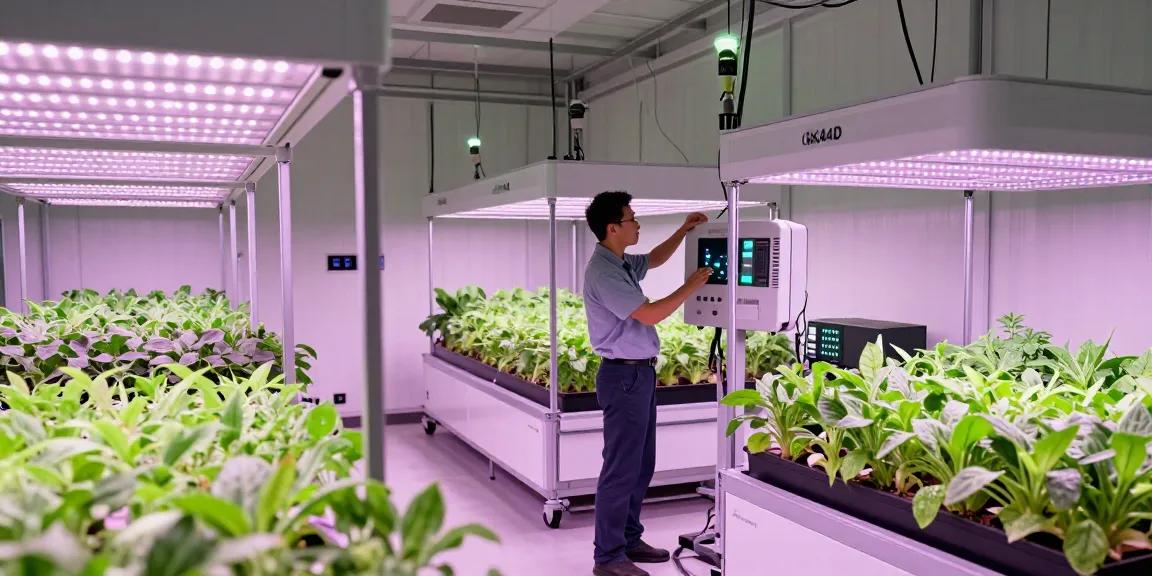
Modern design is pivotal in the realm of indoor farming. A well-thought-out design maximizes space utilization and enhances plant growth. Design elements such as lighting, ventilation, and climate control systems play a crucial role in creating conditions conducive to optimal plant health. As urbanization increases, the integration of technology into facility design is becoming essential to meet the food demands of denser populations.
Key Components of a CIKA4D Facility
A successful CIKA4D facility comprises several key components:
- Lighting Systems: Utilizing LED technology for energy efficiency while providing the optimal light spectrum for plant growth.
- Climate Control: Systems that regulate temperature and humidity to simulate ideal growing conditions.
- Hydroponic Systems: Utilizing soilless methods to enhance nutrient absorption and reduce water usage.
- Ventilation: Ensuring consistent air circulation which helps to manage temperature and CO2 levels.
- Automation: Integrated systems that monitor and control the environment in real-time for improved management.
Designing Efficient Indoor Grow Rooms with CIKA4D
Designing an efficient indoor grow room requires careful consideration of various factors that influence both the growth of plants and operational efficiency. The layout must facilitate easy access while optimizing space and resources.
Optimal Layouts for Plant Growth
Creating an optimal layout involves strategic placement of grow racks, access aisles, and equipment to enhance workflow and efficiency. Consideration should also be given to the vertical space, allowing for multi-layered growing systems that can significantly increase yield per square foot.
Integrating Lighting and Climate Control
Effective integration of lighting and climate control systems is paramount. For example, an automated lighting system can synchronize with climate controls to ensure that plants receive the right amount of light and warmth at crucial growth stages. Utilizing smart technology can also help in monitoring these systems remotely, allowing for timely adjustments.
Selecting Appropriate Hydroponic Systems
When selecting a hydroponic system, factors such as crop type, space availability, and resource management should be prioritized. Different systems like NFT (Nutrient Film Technique), DWC (Deep Water Culture), and Ebb and Flow each have unique advantages that can be tailored to specific plant needs.
Challenges in Implementing CIKA4D Solutions
While CIKA4D solutions present numerous benefits, there are challenges in the design and construction phases that must be navigated effectively. Understanding these challenges can lead to better preparation and project execution.
Common Design and Construction Obstacles
One of the primary challenges in implementing CIKA4D facilities includes adhering to local regulations and zoning laws. Additionally, budget constraints often limit the extent of technology that can be integrated into the designs, leading to compromises in efficiency. Proper planning and consultation can help mitigate these issues.
Managing Energy Efficiency in Grow Rooms
Energy efficiency is a critical concern in indoor agriculture, especially in regard to lighting and climate control. Upfront costs can be high with advanced systems, making it essential to conduct a thorough cost-benefit analysis to justify the long-term savings on energy consumption.
Addressing Plant Health and Yield Issues
Maintaining optimal conditions inside grow rooms is crucial for plant health. Common issues such as pest infestations, nutrient deficiencies, and environmental stress must be monitored and addressed swiftly. Implementing regular maintenance checks and utilizing high-quality inputs can help sustain plant health and boost yields.
Best Practices for Successful Implementation of CIKA4D
To maximize the benefits of CIKA4D facilities, adhering to best practices is essential during the planning and operational phases of indoor agriculture.
Consultation and Planning Steps
Engaging with experienced consultants during the initial planning stages can provide invaluable insights. They can assist in assessing site-specific needs, helping you determine the most appropriate technologies and designs tailored to your operational goals.
Monitoring and Adjusting Environmental Systems
Continuous monitoring of environmental systems through automated technologies ensures that the conditions within grow rooms remain optimal. Regular data analysis can inform adjustments required for temperature, humidity, and light levels, thus preventing potential issues before they impact plant health.
Ensuring Sustainability in Design
Embedding sustainability into the design of CIKA4D facilities is increasingly important. This can be achieved through renewable energy systems, water recycling, and sourcing organic materials for construction. A focus on sustainability not only supports the environment but also enhances brand reputation among conscious consumers.
The Future of Indoor Agriculture and CIKA4D
As indoor agriculture evolves, the prospects for CIKA4D solutions appear promising. Emerging trends and innovations will define the trajectory of agricultural practices for years to come.
Trends Impacting Indoor Agriculture by 2026
By 2026, trends like increased automation, AI-driven analytics, and improvements in LED technology are expected to shape the indoor agriculture industry. These advancements will lead to more precise farming practices, ultimately driving down costs and increasing yields.
Innovative Technologies on the Horizon
Technologies such as vertical farming installations and AI-based monitoring systems are paving the way for a new era in farming. These innovations promise to create even more efficient and productive indoor farms.
Global Impacts of Indoor Agriculture Solutions
The global impact of CIKA4D solutions extends beyond mere food production. By promoting local food sourcing, reducing transport emissions, and utilizing less water than traditional methods, indoor agriculture can play a vital role in combating climate change and improving food security worldwide.
What are the benefits of using CIKA4D in indoor agriculture?
CIKA4D provides various benefits, including enhanced control over growing conditions, improved resource management, and the ability to produce high-quality crops year-round.
How does CIKA4D contribute to sustainability?
By promoting energy-efficient systems, water conservation techniques, and reducing the need for pesticides through controlled environments, CIKA4D significantly contributes to sustainable agricultural practices.
What challenges may arise during the construction of indoor grow facilities?
Common challenges include adhering to regulatory requirements, managing initial costs, and ensuring the integration of advanced technologies without compromising quality.
How can I optimize my indoor farm for better yields?
To optimize yields, ensure the right balance of light, nutrients, and environmental conditions. Regular monitoring and adapting practices based on data can help improve production levels.
What technologies are essential for CIKA4D facilities?
Essential technologies include automated climate control systems, advanced hydroponic setups, and smart monitoring tools that facilitate data-driven decision-making for enhanced crop health.
